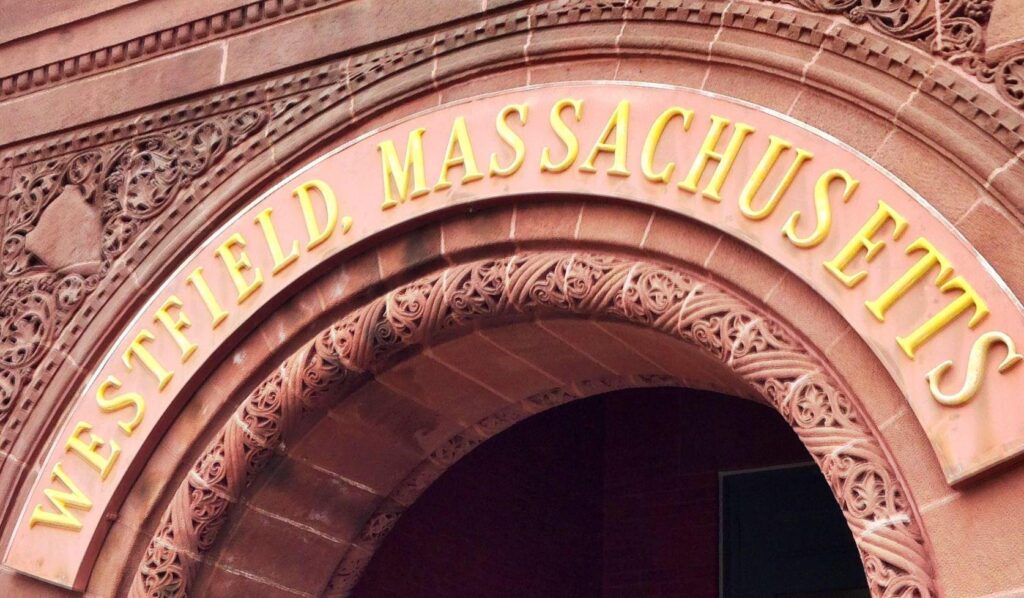
Thinking About Living in Westfield, MA?
Whether you’re considering a move, a return, or just starting to explore your options, Westfield is a city that often reveals itself slowly — and thoughtfully.
I created this community guide to answer the questions people actually ask:
What does daily life feel like here? How do the neighborhoods differ? Where do people gather, walk, eat, and settle in?
This isn’t a sales brochure or a list of statistics. It’s a local, lived-in look at Westfield — written to help you decide whether it’s the right fit for you.
Inside the Westfield Community Guide, you’ll find:
- An overview of Westfield’s neighborhoods and housing styles
- A realistic look at the local real estate landscape
- A general overview of schools and education options
- Restaurants, coffee spots, and everyday favorites
- Local shops and small businesses
- Parks, trails, and outdoor spaces — including Stanley Park and the rail trail
- Arts, events, and community life
- Insights into what often surprises people about living here
- How Westfield connects easily to the rest of Western Massachusetts, Eastern MA, and Connecticut
Who This Guide Is For
This guide is especially helpful if you are:
- Exploring a move to Westfield
- Considering a return to the area
- Planning a next chapter or downsizing
- Relocating within Western Massachusetts
- Simply wanting a clearer sense of the community before taking next steps
You don’t need to be “ready” to buy or sell to find it useful.
A Quick Overview of Westfield, Massachusetts
Westfield is a small city in Hampden County in Western Massachusetts, located about 20 minutes west of Springfield and roughly 45 minutes north of Hartford, Connecticut. Often called “The Whip City,” Westfield has deep industrial roots but today is known for its strong sense of community, Westfield State University, and access to outdoor recreation throughout the Pioneer Valley.
The city blends historic neighborhoods, newer developments, and nearby rural areas, giving buyers a range of housing styles and price points. Residents enjoy easy access to Stanley Park, the Columbia Greenway Rail Trail, local restaurants and coffee shops, and the broader arts and cultural life of Western Massachusetts.
For many people, Westfield offers a balance that can be hard to find elsewhere in Massachusetts — a smaller-city feel with strong community ties, while still being connected to larger regional job centers and outdoor destinations.
Download the Free Westfield Community Guide
Enter your email below, and I’ll send you the full PDF.
No spam. No pressure. Just thoughtful, local insight you can read at your own pace.
My name is Lesley Lambert, and I’ve spent much of my career working throughout Westfield and the surrounding communities. I believe real estate decisions are rarely just about numbers — they’re about comfort, timing, and choosing a place that aligns with how you want to live.
If Westfield is on your radar, even loosely, I’m always happy to talk it through.
Lesley Lambert, REALTOR®
Park Square Realty
📞 413-575-3611
📧 realestate.lesleylambert@gmail.com
Sometimes the most helpful next step is simply a thoughtful conversation.
If you are interested in other area towns, I have created a guide for Southwick, as well. You can access it here: Southwick Guide
Not sure which Western Massachusetts town might fit you best?
Try my 60-second town match quiz.
Frequently Asked Questions About Living in Westfield, Massachusetts
Is Westfield MA a good place to live?
Westfield has a true small-town feel, but it still offers plenty of restaurants, shops, and everyday conveniences. People who live here appreciate the balance — quiet neighborhoods, a historic downtown, and easy access to both the Berkshires and larger cities like Springfield and Hartford.
What is Westfield MA known for?
Westfield is often called “The Whip City” because of its history as a major whip manufacturing center in the 1800s. Today it’s better known for Westfield State University, Stanley Park, and a growing downtown with locally owned restaurants and businesses.
Is Westfield MA a walkable town?
Parts of Westfield are very walkable, especially the downtown area around Elm Street. You’ll find coffee shops, restaurants, boutiques, and community events there throughout the year.
What is Stanley Park in Westfield?
Stanley Park is one of the most loved places in Westfield. It’s a beautifully maintained park with gardens, walking paths, playgrounds, and seasonal events. Many locals consider it one of the nicest parks in all of Western Massachusetts.
How far is Westfield from major cities?
Westfield is about 20 minutes from Springfield, roughly 45 minutes from Hartford, and about two hours from Boston. That location makes it convenient for commuting while still offering a quieter lifestyle.
Who tends to move to Westfield?
Westfield attracts a mix of longtime residents, families, professionals working in the region, and people relocating from other parts of Massachusetts and Connecticut who want more space and a strong sense of community.
Is Westfield MA expensive to live in?
Compared with many parts of Massachusetts, Westfield is still considered relatively affordable. Homebuyers often find they can get more space and property here than in areas closer to Boston, while still having access to the amenities of Western Massachusetts.
What outdoor activities are available in Westfield?
Westfield offers plenty of opportunities for outdoor recreation. In addition to Stanley Park, residents enjoy the Columbia Greenway Rail Trail for walking and biking, kayaking and fishing along the Westfield River, and nearby hiking in the Berkshire foothills.
Is Westfield a good place for commuting?
Many people choose Westfield because it offers a quieter lifestyle while still being within reasonable driving distance of job centers like Springfield, Hartford, and even parts of the Pioneer Valley.
I’ve spent most of my life in Western Massachusetts and have helped many buyers find their way to Westfield. If you’re curious about what living here is really like, I’m always happy to share what I know.